
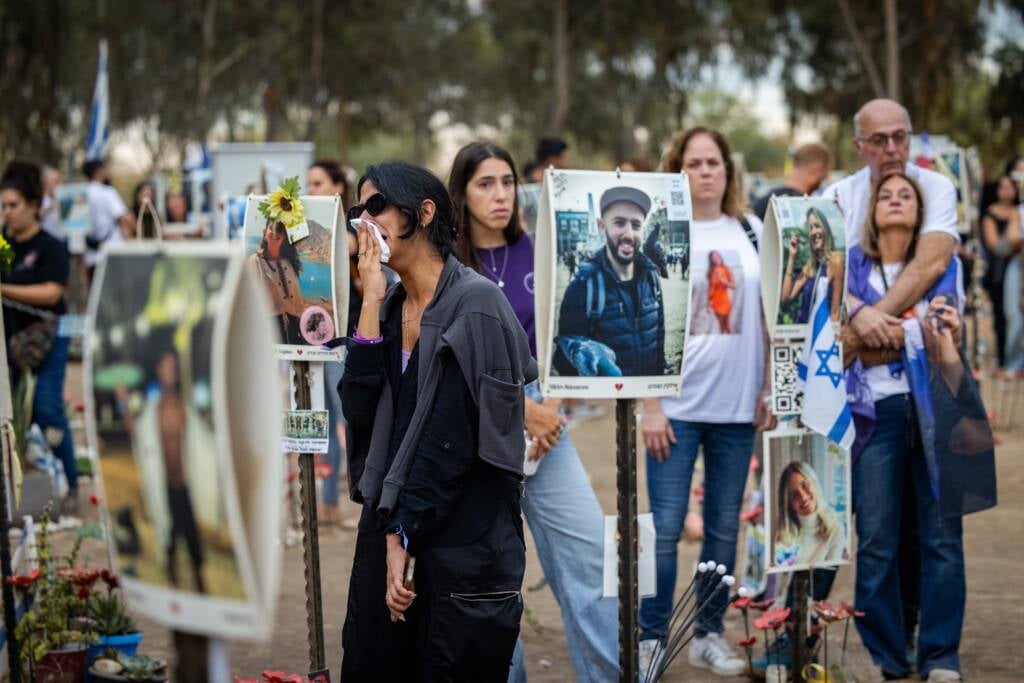
Rates of PTSD nearly doubled immediately after Oct. 7, but the rate gradually declined to 19.7% by January 2026, leaving roughly one in five Israelis with probable PTSD.
By Shula Rosen
Rates of PTSD, depression and anxiety in Israel remain elevated three years after the October 7, 2023, attacks, with research showing repeated increases in psychological distress following subsequent periods of conflict.
Probable PTSD nearly doubled immediately after October 7, rising from 16.1% to 16.2% before the attacks to 29.8% in November 2023, according to research on PTSD, depression and anxiety in Israel.
The rate gradually declined to 19.7% by January 2026, leaving roughly one in five Israelis with probable PTSD.
Separate data from Israel’s State Comptroller found that about 39% of the public reported post-traumatic symptoms, anxiety, depression or some combination of the three at a medium or severe level.
That amounted to roughly 3 million people.
The psychological impact has been particularly pronounced among people wounded during the war.
Israel’s Ministry of Defense Rehabilitation Department reported that around 63% of wounded individuals suffered psychological effects.
Of 91,200 people receiving treatment, 42,500 were dealing with mental health conditions and PTSD.
Research published in Frontiers in Psychiatry identified what it described as “overlapping circles of vulnerability,” with combat reservists, evacuees from communities along the northern and southern borders, families of victims and survivors of direct attacks facing the greatest risks.
Studies by the Brookdale Institute found renewed increases in depression and anxiety following later periods of fighting.
In July 2025, after Operation Roaring Lion, 26.6% of respondents met the clinical threshold for depression and 17% met the threshold for anxiety.
Research conducted in April 2026 after Operation Rising Lion found that more than a third of respondents, about 35%-37%, reported clinical-level symptoms of depression, while approximately 24%-25% reported clinical-level anxiety.
Another 27%-28% reported subclinical symptoms of depression, while about 26% experienced subclinical anxiety symptoms.
Taken together, the Brookdale Institute findings showed that more than half of respondents in each survey wave reported at least some degree of psychological distress.
Do You Love Israel? Make a Donation - Show Your Support!


Donate to vital charities that help protect Israeli citizens and inspire millions around the world to support Israel too!
Now more than ever, Israel needs your help to fight and win the war -- including on the battlefield of public opinion.
Antisemitism, anti-Israel bias and boycotts are out of control. Israel's enemies are inciting terror and violence against innocent Israelis and Jews around the world. Help us fight back!