
The research will help develop wheat varieties capable of producing higher yields while improving nutritional quality.
By Shula Rosen
The doctoral work of an IDF reservist who fell in Gaza helped uncover a gene that could improve the world’s wheat crops, Tel Aviv University announced Sunday as it published the findings.
The research, published in the journal Plant, Cell & Environment, identified a gene in ancient wild wheat that researchers say could produce larger, more nutritious grains in modern wheat varieties.
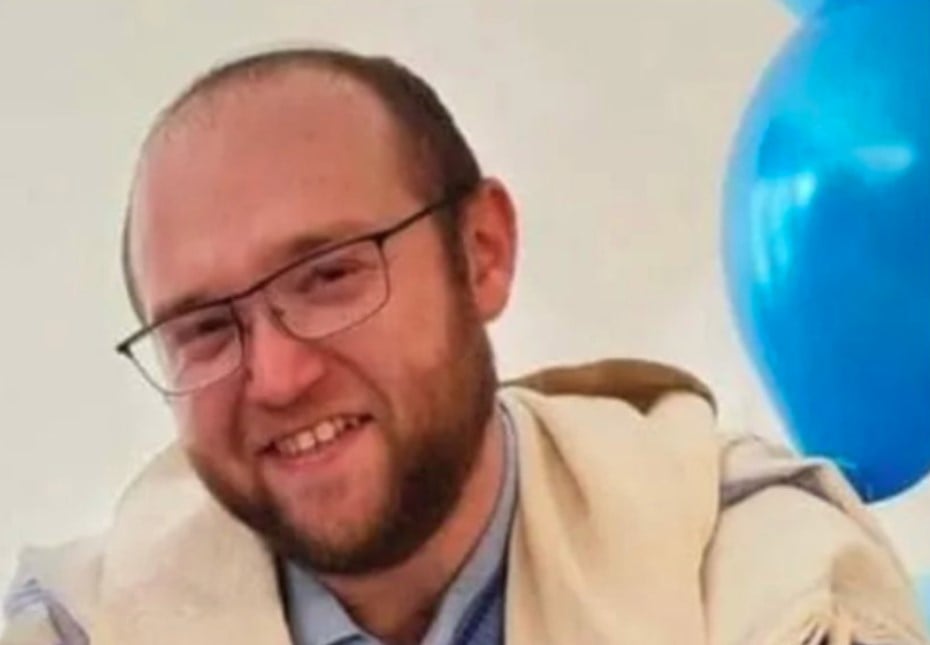
Dr. Zechariah Haber contributed to the study before he was killed in Gaza in January 2024 while serving in the reserves.
He was completing his doctoral research at the time. His doctorate was awarded posthumously, and the project was completed in the laboratory of Dr. Nir Sade.
According to the study, reducing the activity of the identified gene produced wheat grains that were heavier and contained higher levels of protein, iron and zinc.
The research focused on wild emmer wheat, an ancient ancestor of cultivated wheat that preserves a broader range of genetic diversity than modern commercial varieties.
To identify the gene, the research team examined approximately 460 wild emmer wheat lines collected from different climatic regions across Israel.
Researchers then used genetic analysis together with CRISPR gene-editing technology to confirm the gene’s role in regulating grain development.
The scientists said the findings demonstrate the importance of wild wheat as a source of valuable genetic traits that could be incorporated into future crop breeding programs.
According to the researchers, those traits may help develop wheat varieties capable of producing higher yields while improving nutritional quality.
They also said the discovery could contribute to efforts to adapt agriculture to climate change and meet growing global demand for food.
Tel Aviv University said Haber’s contribution formed part of the research despite his death before its completion.
The study was finalized after his death in Dr. Sade’s laboratory, and the university awarded Haber his doctoral degree posthumously.
The findings mark both a scientific milestone and the completion of research to which Haber contributed before his death while serving as an IDF reservist.
Do You Love Israel? Make a Donation - Show Your Support!


Donate to vital charities that help protect Israeli citizens and inspire millions around the world to support Israel too!
Now more than ever, Israel needs your help to fight and win the war -- including on the battlefield of public opinion.
Antisemitism, anti-Israel bias and boycotts are out of control. Israel's enemies are inciting terror and violence against innocent Israelis and Jews around the world. Help us fight back!