
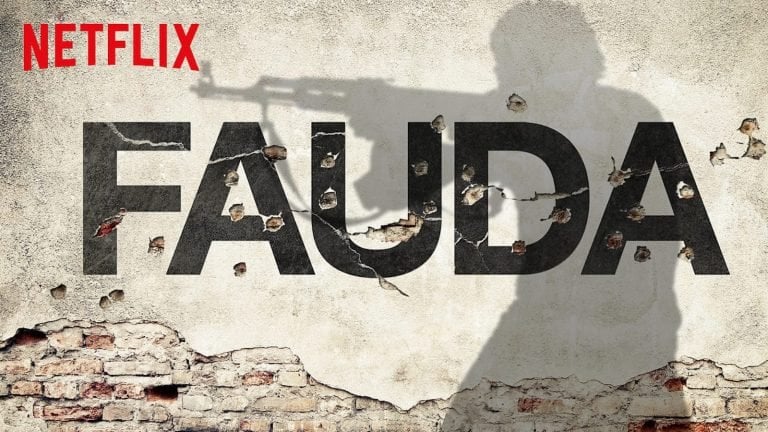
Fauda also rose as high as second in Jordan, the UAE and Bahrain; third in Qatar, Kuwait, Morocco and Oman; and fourth in Egypt.
By Shula Rosen
The fifth and final season of the Israeli television series Fauda has climbed into Netflix’s top 10 in 10 Arab countries, including reaching No.1 in Lebanon, as viewers across the region tune into a season depicting the Hamas-led October 7, 2023, attack from an Israeli perspective.
Released on Netflix on September 8, the series currently ranks fourth in Jordan, the United Arab Emirates and Qatar; sixth in Bahrain and Morocco; seventh in Oman; eighth in Kuwait; and 10th in Egypt, according to tracking services including FlixPatrol.
Earlier in the week, Fauda rose as high as second in Jordan, the UAE and Bahrain; third in Qatar, Kuwait, Morocco and Oman; and fourth in Egypt. It reached eighth place in Saudi Arabia before falling out of the top 10.
Its No.1 position in Lebanon is particularly notable because the country has remained formally at war with Israel since 1948.
Created by Israelis Lior Raz and Avi Issacharoff and produced by Yes Studios, Fauda follows an Israeli counterterrorism commando unit in plots inspired by real events. Raz also stars in the series.
Arab audiences have embraced previous seasons as well.
Season four, released in 2022, also performed strongly across the Middle East, while the show has reportedly developed a following among Palestinians in Judea and Samaria and Gaza.
Season five includes two episodes featuring detailed flashbacks to October 7, when Hamas terrorists massacred 1,200 people in southern Israel.
Family members of one of the principal characters are graphically killed, while members of the counterterrorism unit try unsuccessfully to save others.
“People asked whether Fauda would still try to present both sides. But this event is different. Here, you want to tell the story from an Israeli perspective,” Issacharoff told Ynet before the season’s release.
Lebanese newspaper Al Joumhouria, meanwhile, reviewed the Israeli series respectfully while offering criticism of its attempt to combine action, psychological drama and commentary on post-October 7 Israel.
Addressing the portrayal of real trauma, its reviewer asked: “Who has the right to define the victim and the perpetrator? And where does the drama end and the construction of the political narrative begin?”
Do You Love Israel? Make a Donation - Show Your Support!


Donate to vital charities that help protect Israeli citizens and inspire millions around the world to support Israel too!
Now more than ever, Israel needs your help to fight and win the war -- including on the battlefield of public opinion.
Antisemitism, anti-Israel bias and boycotts are out of control. Israel's enemies are inciting terror and violence against innocent Israelis and Jews around the world. Help us fight back!