
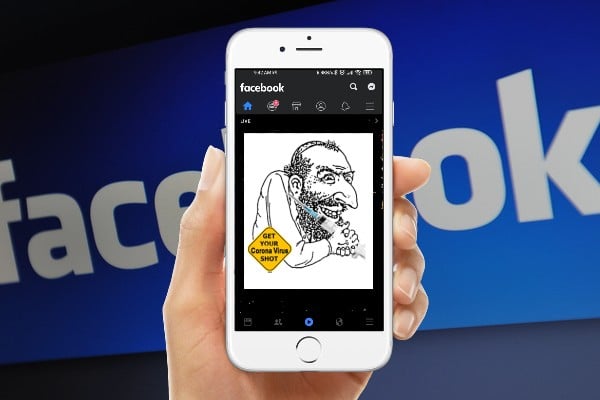
The systems frequently produced figures resembling classic antisemitic depictions of powerful, calculating puppet masters.
By Shula Rosen
An academic study by Israeli researchers has found that leading generative artificial intelligence language models reproduce longstanding antisemitic stereotypes by consistently attributing specific personality traits and social characteristics to fictional characters with Jewish names.
The study, titled From Myth to Model: Representation of “The Jew” in Generative AI, was published in the peer-reviewed journal American Psychologist by Gal Gutman of the Hebrew University of Jerusalem and Michael Gilead of Tel Aviv University.
The researchers examined how advanced language models, including ChatGPT, DeepSeek, and Mistral, represent Jewish identities.
They said the systems are trained on vast collections of human-written material, including books, websites, articles, and social media content, which may transmit cultural patterns and biases found in those sources.
Rather than asking the models directly about Jews, the researchers designed prompts that generated biographies for fictional characters identified only by Jewish or non-Jewish names, removing explicit religious or cultural references to avoid built-in AI safeguards.
The researchers found that characters with Jewish names were consistently portrayed as more competent, privileged, dominant, and obsessive than characters with non-Jewish names.
They also received lower ratings for social warmth and likability and were assigned stronger tendencies toward order and self-control.
When the researchers asked the models to translate those personality profiles into fictional archetypes, the systems frequently produced figures resembling classic antisemitic depictions of powerful, calculating puppet masters.
The models often associated the profiles with fictional characters including Sherlock Holmes, Breaking Bad‘s Walter White, and Game of Thrones‘ Tywin Lannister.
“These characters are not Jewish, of course,” Gilead told Ynet. “But they represent a certain cultural stereotype: a brilliant, powerful, calculated person who is highly focused on his goals but is also socially distant and sometimes perceived as someone who operates by his own rules.
This is exactly the kind of image that appeared when the models were asked to describe characters with Jewish names.”
The researchers concluded that the findings do not indicate conscious prejudice by the AI systems themselves.
Instead, they said the models inadvertently absorb and reproduce stereotypes because they are trained on extensive datasets of human-generated text containing historical and cultural biases found in literature and online discourse.
Do You Love Israel? Make a Donation - Show Your Support!


Donate to vital charities that help protect Israeli citizens and inspire millions around the world to support Israel too!
Now more than ever, Israel needs your help to fight and win the war -- including on the battlefield of public opinion.
Antisemitism, anti-Israel bias and boycotts are out of control. Israel's enemies are inciting terror and violence against innocent Israelis and Jews around the world. Help us fight back!