Concern for our material possessions does not represent indulgence, but the opposite. We learn this lesson from our forefather Jacob and the Festival of Sukkot.
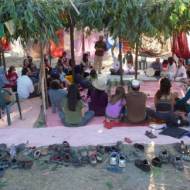
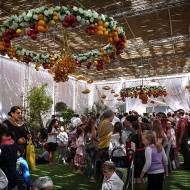
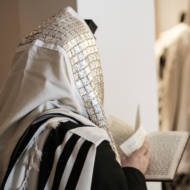
The Festival of Sukkot allows us to take a step back, to appreciate the material possessions that God has given us and to understand how to use them for spiritual means.
The Lulav is the classic symbol throughout Jewish literature of the importance of balancing our priorities in life, which should include caring for our fellow human being.
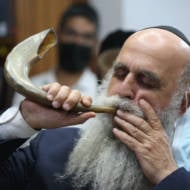
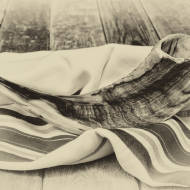
Rabbi Tzvi Hirsch Meislish, a Holocaust survivor who eventually found his way to Chicago, where he became a prominent rabbi, tells his personal and fascinating story of a shofar-blowing in Auschwitz.
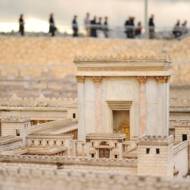
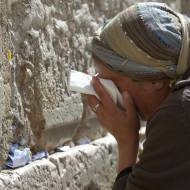
As we pray at the Western Wall and gaze up at the Temple Mount, we cannot help but wonder why there is no Holy Temple today. Does it have anything to do with the slanderous report of the spies in the times of Moses?
From the Rabbi’s Study (by Rabbi Ari Enkin) This week’s Torah portion is “Matos” (Numbers 30:2-32:42). Among the many episodes in “Matos” is the novel request made by the tribes of Reuven and Gad, just prior to the Jewish people’s conquest of the Land of Israel. Reuven and Gad asked Moses if they may be... Read more »
In this week's Torah portion we read about a census that was taken of the Jewish people. This is the second census in the Book of Numbers, hence the name.
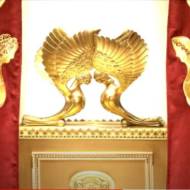
This week’s Torah portion is Behalotecha (Numbers 8:1–12:16), and in it we read about many of the utensils of the Temple, including the Ark of the Covenant.
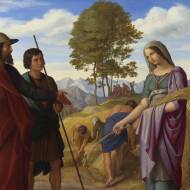
The Book of Ruth is much more than a story about one woman’s conversion to Judaism and love for the Jewish people. Many laws and customs are based on her experiences.
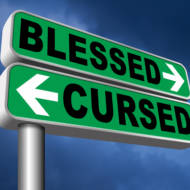
This week's reading includes a terrible curse on the Jewish people for disobeying His commands, but even when He must curse us, He always adds a blessing.