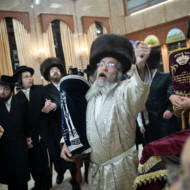
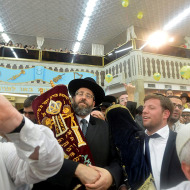
Shemini Atzeret and Simchat Torah are timeless lessons of continuity, growth, study and celebration of all of God's gifts, especially the spiritual ones.
What is Shemini Atzeret/Simchat Torah all about? Is it merely a continuation of the week-long holiday of Sukkot or does it have its own special purpose?
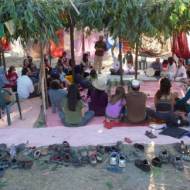
When you dance in front of God, when you dance in honor of God, and when you dance in honor of the Torah – there are no protocols or formalities. We are all equal.
'If atonement is not granted on Rosh Hashana, I will grant it on Yom Kippur, and if they do not attain atonement on Yom Kippur, I will grant it on Hoshana Rabba.'
Concern for our material possessions does not represent indulgence, but the opposite. We learn this lesson from our forefather Jacob and the Festival of Sukkot.
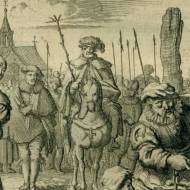
Throughout our long history, Jews have overcome all sorts of obstacles to observe the mitzvah of sukkah. But perhaps one of the most striking instances is the sukkah built in Mexico City in the year 1603 by a crypto-Jew named Sebastian Rodriguez.
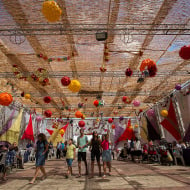
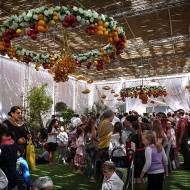
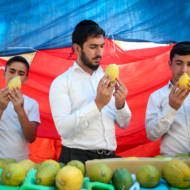
Jews from Arabic speaking countries have a unique way of celebrating the Jewish holiday of Sukkot. Take an insider's look at the holiday celebrations of Israel's Sephardic Jewish communities.
The Festival of Sukkot allows us to take a step back, to appreciate the material possessions that God has given us and to understand how to use them for spiritual means.
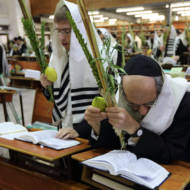
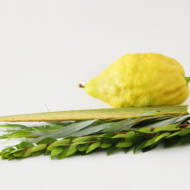
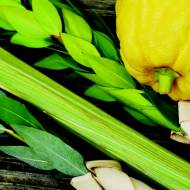
The Lulav is the classic symbol throughout Jewish literature of the importance of balancing our priorities in life, which should include caring for our fellow human being.
We remember that the same God who protected our ancestors in the wilderness continues to watch over His people. Every year on Sukkot, the Jewish people leave the security of our homes and enter a temporary hut. It is an extraordinary declaration of faith. Sukkot recalls the miraculous protection God gave the Children of Israel... Read more »
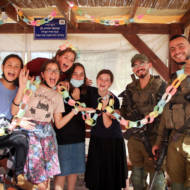
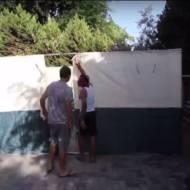
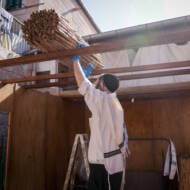
The day after the Jewish High Holiday of Yom Kippur, Jewish communities in Israel and around the globe start building in preparation for the Festival of Succot.
The word "Sukkot" means "huts" or "booths", referring to the booth-like structures that Jews are to eat their meals in over the course of the holiday, and preferably to sleep in too!
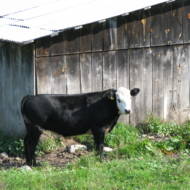
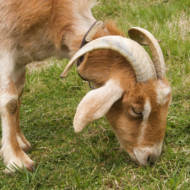
Until Jacob, no one in history ever had built huts for their cattle! Until then, cattle had to brave the elements. Whether it was hot or cold, dry or rainy, the cattle were simply always outdoors, always exposed.