
Beyond cognitive gains, many said the group format helped them feel understood and supported, providing emotional validation and a sense of community that eased the isolation often experienced after cancer treatment.
By Pesach Benson, TPS
For many adults recovering from cancer, finishing treatment does not mean the end of challenges.
Subtle but disruptive changes in memory, attention, and mental processing—often called “chemobrain”—can make work, relationships, and everyday routines unexpectedly difficult.
A new study offers hope that a remote, group-based cognitive rehabilitation program can help survivors regain confidence, improve daily functioning, and feel less alone in the process.
The intervention combines cognitive training exercises with occupational-therapy–based strategies and weekly group sessions conducted entirely online.
In the pilot study, a small group of adults participated in six weekly meetings and engaged in personalized digital brain-training activities.
Participants reported noticeable improvements in their ability to manage everyday tasks, from organizing work projects to handling household responsibilities.
Beyond cognitive gains, many said the group format helped them feel understood and supported, providing emotional validation and a sense of community that eased the isolation often experienced after cancer treatment.
The remote, online format allowed participants to join from home, making it easier to fit the program into their daily routines.
Its digital, group-based design also makes the intervention scalable, offering the potential to reach a larger number of survivors without the logistical challenges of in-person programs.
“Cancer survivors often tell us they feel like they’ve ‘lost’ parts of themselves after treatment,” said Prof. Yafit Gilboa, the principal investigator of the study.
“Our goal was to offer a practical, compassionate, and accessible way to help them regain control—to show them that their cognitive challenges are real, understandable, and, importantly, treatable. Seeing participants improve in the activities that matter most to them is exactly why we do this work.”
While improvements in objective cognitive tests were modest—common in research on cancer-related cognitive impairment—most participants reported meaningful gains in self-perceived cognitive functioning.
The program, known as CRAFT-G (Cognitive Retraining and Functional Treatment – Group version), was developed by researchers at the Hebrew University of Jerusalem.
Based on these promising early results, the team concludes that the approach is both feasible and potentially effective.
They recommend larger trials to further validate its benefits, and a new study is already underway focusing on breast cancer survivors.
The research, published in Supportive Care in Cancer under the title “Remote group intervention for adults with cancer-related cognitive impairment: a feasibility study,” highlights the potential of online, group-based interventions to help survivors manage the cognitive effects of cancer treatment and reclaim their daily lives.
Bring Joy to Israeli Soldiers - Send Chanukah Gifts!
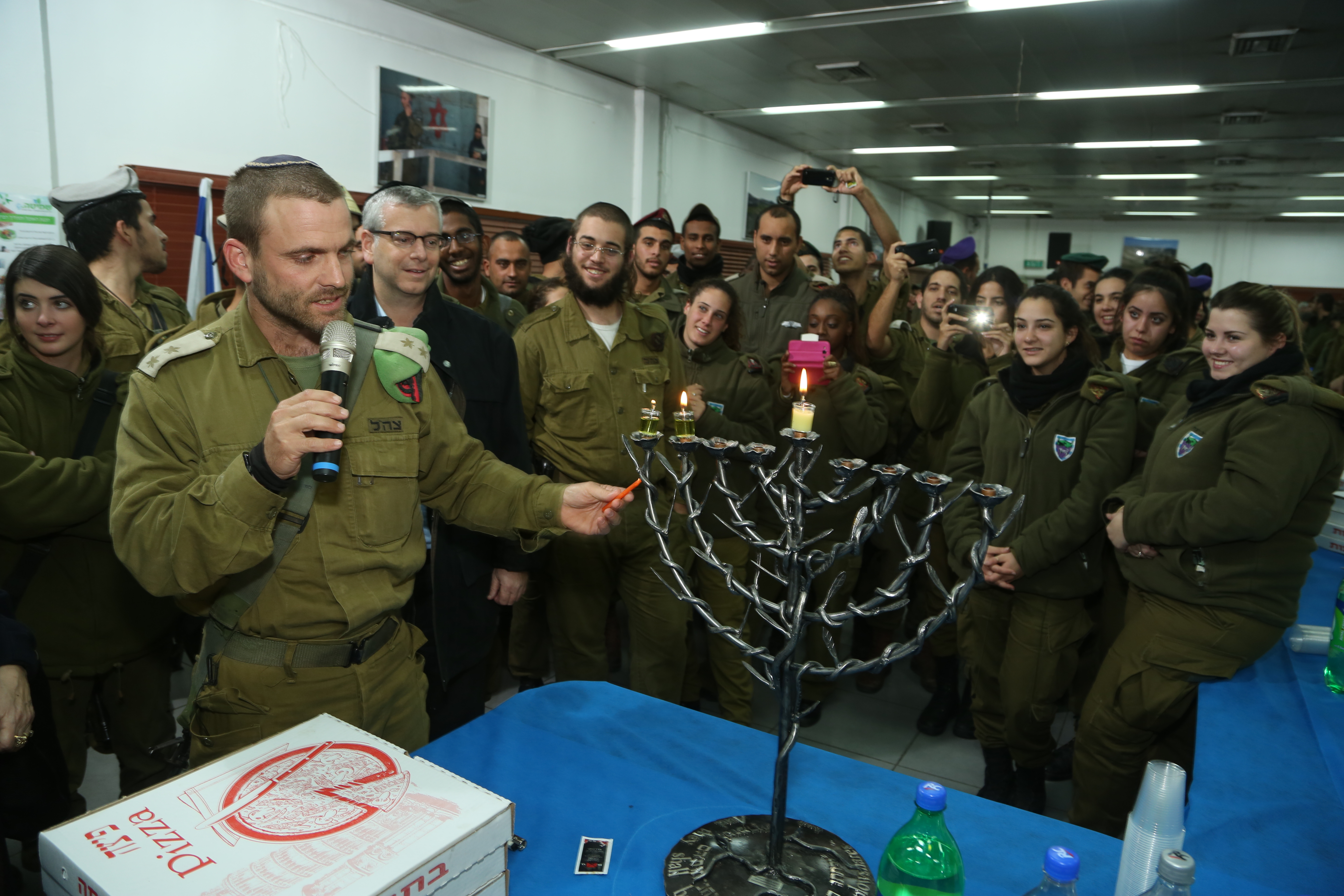
We are honored to thank the young men and women of the IDF who risk their lives every day to defend the citizens of Israel.
Join us in sending winter care packages and personal notes of support to Israeli soldiers who are out in the cold all day.
Warm up a soldier's heart with essential winter wear including fleece jackets, hats, gloves and more. Keep an entire unit warm!
THE SOLDIERS REALLY APPRECIATE YOUR LOVE AND CONCERN!
Click Here to Send Your Gift and Personal Note to Israeli Soldiers