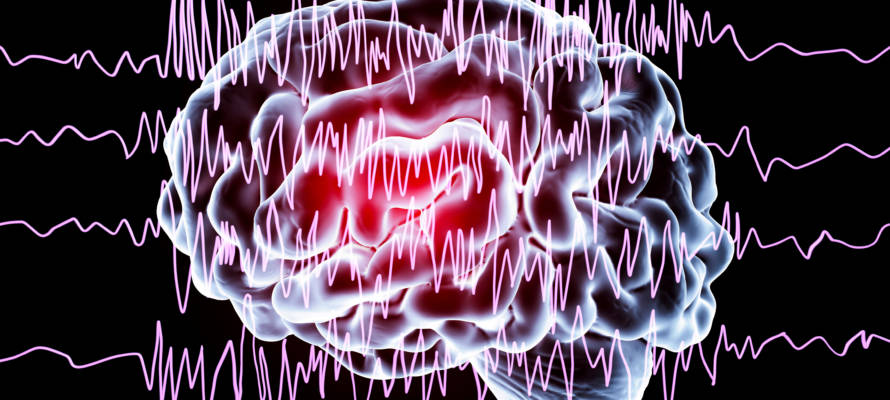
Fried’s own research has pushed scientists to rethink how much control people have over their actions.
By Shula Rosen
Reichman University has tapped neurosurgeon Prof. Itzhak Fried to build a new center for applied brain research, part of the school’s push into a rapidly growing field where artificial intelligence and human biology increasingly overlap.
Fried, who spent many years at UCLA and is known for groundbreaking work on memory and brain stimulation, told Globes that the center will study how the brain and AI systems can influence each other.
The move comes as companies worldwide step closer to technologies that can read information from the brain – and possibly send information back in.
Fried said he recently visited Elon Musk’s Neuralink, which is testing ultra-thin implanted threads that can pick up signals from about a thousand neurons.
“It sounds like science fiction, but that is the goal,” he told Globes. For now, he added, AI affects our brains only through what we see and hear, but the long-term vision is far more direct.
Fried’s own research has pushed scientists to rethink how much control people actually have over their actions. In some surgeries, small electrical pulses caused patients to laugh or move while insisting the response was natural.
He pointed to classic work by Benjamin Libet and quoted Libet’s line that “We may not have free will, but we do have some free won’t.”
His clinical work also touches on conditions where a person’s sense of control breaks down, such as depression or addiction.
Doctors already use brain stimulation in severe cases, and similar experiments have been tried with people who suffer from extreme obesity. Some patients even switched off their implants when cravings returned, raising difficult questions about competing desires within the brain.
Fried also helped identify neurons that respond to specific people or ideas, including the well-known “Jennifer Aniston neuron,” and has shown that deep sleep – not dreaming – is when the brain stores long-term memories. He said mild electrical stimulation during deep sleep may help people with early memory loss.
Israeli hospitals have already begun using electrode-based treatments built on techniques Fried developed.
He said the new center will unite experts from neuroscience, AI, psychology, engineering, and law to explore how the brain processes information and how that system can be protected.
Fried cautioned that today’s flood of information has fueled the kind of ideological extremism he calls Syndrome E. Education, he said, is the only real answer.
Bring Joy to Israeli Soldiers - Send Chanukah Gifts!
We are honored to thank the young men and women of the IDF who risk their lives every day to defend the citizens of Israel.
Join us in sending winter care packages and personal notes of support to Israeli soldiers who are out in the cold all day.
Warm up a soldier's heart with essential winter wear including fleece jackets, hats, gloves and more. Keep an entire unit warm!
THE SOLDIERS REALLY APPRECIATE YOUR LOVE AND CONCERN!
Click Here to Send Your Gift and Personal Note to Israeli Soldiers