Scientists will examine space conditions—especially how different levels of gravity affect antibiotic virulence and resistance.
By Shula Rosen
Israeli researchers are sending a pioneering scientific mission to the International Space Station (ISS) this week to study how spaceflight alters the behavior of disease-causing bacteria.
The experiment, led by Sheba Medical Center’s innovation hub, ARC, and its Infectious Diseases Research Laboratory, is scheduled to launch Thursday aboard NASA and SpaceX’s Crew-11 mission from Kennedy Space Center in Florida.
Developed in partnership with U.S.-based space technology firm SpaceTango, the study will grow several bacterial species in microgravity while identical control samples remain on Earth.
Scientists will examine space conditions—especially how different levels of gravity affect antibiotic virulence and resistance.
After cultivation, the space-grown bacteria will be frozen at –80°C and returned for detailed molecular analysis.
“We know that space conditions affect bacterial behavior, including how they grow, express genes, and acquire traits like antibiotic resistance or virulence,” said Prof. Ohad Gal-Mor, head of Sheba’s Infectious Diseases Research Laboratory, in a press release.
Astronauts on extended missions face increased infection risks due to weakened immune systems from microgravity, cosmic radiation, and the psychological effects of isolation.
Bacteria in space can grow more quickly or develop unusual traits, posing potential health hazards for space crews.
Researchers say understanding these changes is vital for future missions and could also inform treatments on Earth.
This marks ARC Space Lab’s first experiment aboard the ISS, though it previously conducted a 2022 spaceflight study on bacterial conjugation—the process by which bacteria exchange DNA.
Contrary to expectations, those results, published in Microbiology Spectrum, suggest that space conditions may inhibit the spread of antibiotic resistance.
The new mission aims to create a comprehensive genetic map showing how bacteria adapts in space.
“The insights we gain will augment our understanding of infectious disease risks in space travel and also expand our knowledge of gene regulation and bacterial physiology in general,” Gal-Mor said.
Prof. Eyal Zimlichman, ARC’s director, emphasized the broader implications: “This study examines what that means for human health, not just for astronauts, but also here on Earth. To understand the limits of medicine, we sometimes need to go beyond the limits of Earth.”
Bring Joy to Israeli Soldiers - Send Chanukah Gifts!
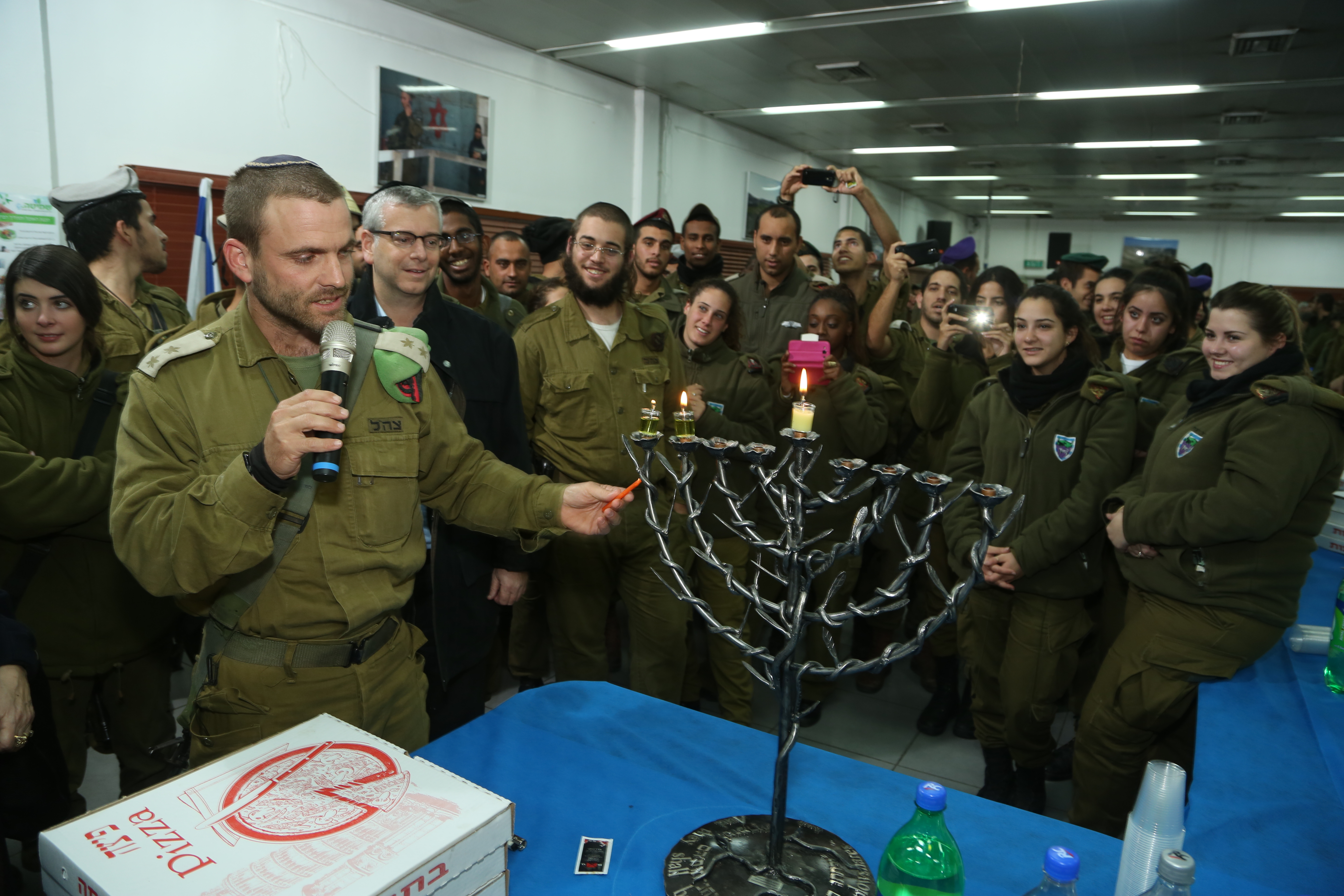
We are honored to thank the young men and women of the IDF who risk their lives every day to defend the citizens of Israel.
Join us in sending winter care packages and personal notes of support to Israeli soldiers who are out in the cold all day.
Warm up a soldier's heart with essential winter wear including fleece jackets, hats, gloves and more. Keep an entire unit warm!
THE SOLDIERS REALLY APPRECIATE YOUR LOVE AND CONCERN!
Click Here to Send Your Gift and Personal Note to Israeli Soldiers