Foreign lifelines allow Tehran to preserve its core technical capabilities, cushion its economic decline and systematically replace destroyed military hardware over time.
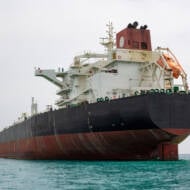
The United States should deny blacklisted tankers coverage and credit unless they clear an independent audit, and those financing them should face more severe secondary sanctions.
IRGC-linked networks have exploited open borders, civil liberties, and gaps in counter-terrorism coordination to establish operational cells across the continent.
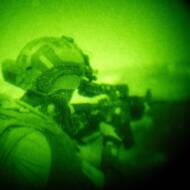
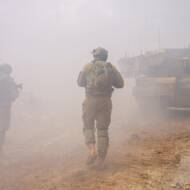
Before any entry into a structure, forces observe the building, fire on it with a tank, use shoulder-fired missiles against it and scan the interior with drones.
The comprehensive U.S. economic pressure point campaign targeting Iran’s already troubled economy could have dramatic effects on the restive population in the country of over 90 million people.
U.S. foreign policy shifts from a proactive, long-term chess game to a reactive, short-term damage control exercise dictated by whatever event is dominating the digital news cycle.
In practice, what this means is that if the Lebanese government and armed forces fail to achieve this goal, the US commits by the framework agreement not to pressure Israel to withdraw.
Following the conflict, prices for many fertilizer products have increased six- to seven-fold, creating additional pressure on Iran’s already weak agricultural sector.
The regime must feel it has learned a powerful lesson: It can engage in provocative actions, extract concessions through pressure, get away with violations, and still remain firmly in power.
IRGC members are trained to see the world through the lens of resistance, martyrdom, anti-Americanism, antisemitism, and blind loyalty to the supreme leader.
Here is the truth: no signing ceremony changes, and it carries no insult to the campaign: no agreement, not this one and not a better one, can permanently guarantee that Iran never builds a bomb.
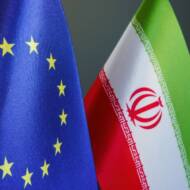
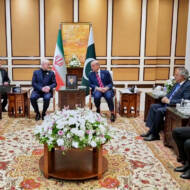
Inside Iran, the regime presents even symbolic contacts with major Western leaders as evidence that powerful countries are appealing to Tehran and acknowledging its importance.
Given the obvious inadequacies of the Lebanese government and the demonstrated continued willingness and capacity of Hezbollah to continue aggression against Israel, is the buffer zone likely to acquire a look of permanence?
Where no available partner exists for the negotiation of quiet borders, Israel will establish a physical barrier between its civilian population and the threat on the other side.
By keeping a narrow economic lifeline open—such as continued oil exports—Washington may be attempting to prevent further escalation while preserving incentives for restraint within Iran’s political system.