Iranian Foreign Minister Abbas Araghchi said Sunday that Tehran had made no decision to resume negotiations with Washington.
By United with Israel Staff
Iran’s leadership spent the two months following its June memorandum of understanding with the United States preparing for a larger conflict rather than expecting diplomacy to produce a lasting settlement, according to Iranian and Arab officials cited by the Wall Street Journal.
The 60-day period outlined in the memorandum expired at midnight Sunday without a final agreement to end the war, as negotiations remain stalled and tensions surrounding the Strait of Hormuz continue.
According to the report, hardline leaders in Tehran viewed the agreement as an attempt by the United States and Israel to relieve pressure on the global economy and buy time before launching a larger attack against Iran.
Rather than placing their confidence in negotiations, Iranian leaders reportedly used the period to rebuild their position and prepare the country for another major round of fighting.
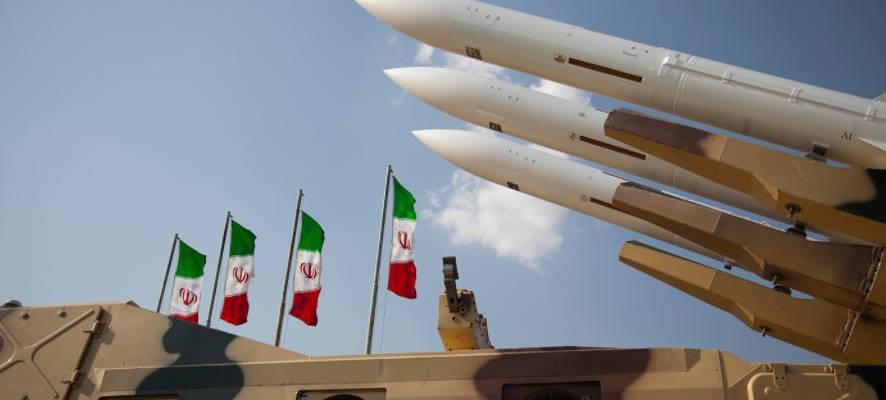
Those preparations have included expanding the influence of the Islamic Revolutionary Guard Corps, increasing missile and drone production, strengthening domestic counterintelligence operations and placing veterans of the Iran-Iraq War and previous internal crises in key security positions.
One of the most significant changes has reportedly been a reorganization of Iran’s military and security hierarchy, giving the IRGC greater influence over the country’s conventional armed forces.
Arab intelligence agencies have also gathered evidence pointing to a broader strategic shift, including communications between Tehran and allied militias in Yemen and Iraq, according to officials familiar with the intelligence.
Iranian leaders have increasingly discussed carrying out “offensive operations on enemy territory,” raising concerns among Gulf states, particularly countries such as Kuwait that could find themselves exposed in a wider regional conflict.
Tehran also moved aggressively to strengthen its position around strategic shipping routes. Iran attacked vessels as it sought to tighten its grip over the Strait of Hormuz and expanded pressure into the Red Sea, a route Saudi Arabia has used to reduce its dependence on shipping through the Persian Gulf.
The developments come as efforts to resolve the dispute over Hormuz have failed to produce a breakthrough.
Iranian Foreign Minister Abbas Araghchi said Sunday that Tehran had made no decision to resume negotiations with Washington, further clouding prospects for a broader agreement.
The diplomatic impasse, combined with severely reduced shipping through the Strait of Hormuz, pushed oil prices higher Monday as concerns over global energy supplies returned.
Washington has recently concentrated its diplomatic efforts on reopening the strategic waterway, while Iran has sought to preserve significant control over shipping through the strait.
But the reported preparations inside Iran suggest Tehran’s leadership has simultaneously been planning for the possibility that diplomacy fails altogether.
With the 60-day window now expired without a final agreement, Iran has reportedly emerged from the period with an increasingly empowered IRGC, expanded weapons production and preparations for a potentially broader confrontation with the United States and Israel.
Do You Love Israel? Make a Donation - Show Your Support!

Donate to vital charities that help protect Israeli citizens and inspire millions around the world to support Israel too!
Now more than ever, Israel needs your help to fight and win the war -- including on the battlefield of public opinion.
Antisemitism, anti-Israel bias and boycotts are out of control. Israel's enemies are inciting terror and violence against innocent Israelis and Jews around the world. Help us fight back!