The escalation came after the U.S. Embassy in Jerusalem issued a security alert earlier Tuesday warning Americans that the regional security environment remained volatile.
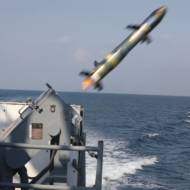
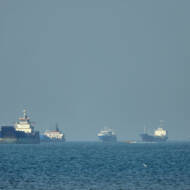
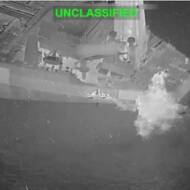
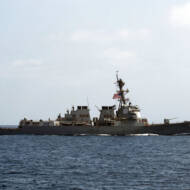
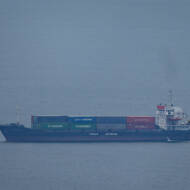
'Iran created the threat and the U.S. military eliminated it to protect civilian mariners, commercial shipping, and the free flow of global commerce,' CENTCOM said.
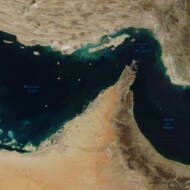
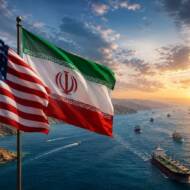
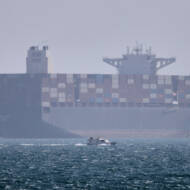
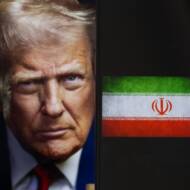
Tehran rejected the latest U.S. proposal to reopen the Strait of Hormuz, insisting the strategic waterway will remain closed until the war ends completely.
Late Saturday night, Trump announced that he had decided to halt the anticipated military operation after claiming to have received a request from Iran.
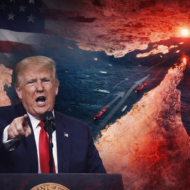
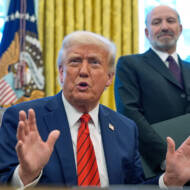
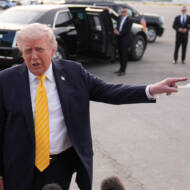
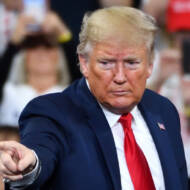
'We’re going to hit them very hard tonight and we’re going to hit them hard tomorrow, and there’s not a damn thing they can do about it,' Trump warned.
A dictatorial regime that publicly tolerates calls for the assassination of the president of the United States cannot be treated as just another difficult adversary.
Inside Iran, the regime presents even symbolic contacts with major Western leaders as evidence that powerful countries are appealing to Tehran and acknowledging its importance.
Riyadh informed Washington it would not allow U.S. military aircraft to operate from Prince Sultan Air Base and would also deny use of its airspace for the mission.
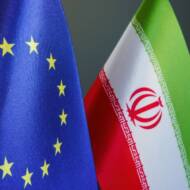
The agreement comes as European energy concerns have mounted in recent weeks due to disruptions linked to tensions in Hormuz, a critical global shipping route.
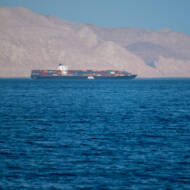
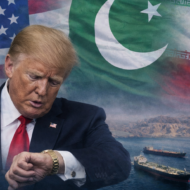
The warning follows President Trump’s announcement Sunday on 'Project Freedom,' a new initiative aimed at escorting neutral commercial vessels out of the Strait of Hormuz.
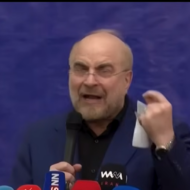
A senior adviser to parliament speaker Mohammad Bagher Ghalibaf dismissed the move as meaningless, warning it was 'a ploy to buy time for a surprise strike.'